Feeling less hungry does not remove nutritional needs
GLP-1 treatment can reduce appetite. For some people, nausea or other gastrointestinal symptoms also make eating harder. When food intake is low, getting enough protein, vitamins and minerals can become difficult. The 2025 joint advisory from four professional organisations therefore highlights assessing intake and preventing nutrient deficiencies. Four-society joint advisory: Nutritional priorities to support GLP-1 therapy for obesity (2025, corrected 2026).
Avoid judging a day only by how little you have eaten. Notice which meals are manageable, what you tolerate and whether you repeatedly miss meals because you do not feel hungry. These observations give your healthcare team a more useful starting point than an aim to eat as little as possible.
Put protein needs in context
Protein needs should be considered alongside age, health, food intake and physical activity. The advisory describes uncertainty about the best way to calculate protein requirements for people living with obesity. A number from social media is not an individual assessment, and more protein is not automatically better. Four-society joint advisory: Nutritional priorities to support GLP-1 therapy for obesity (2025, corrected 2026).
If you have kidney disease, another condition affecting your diet, or a history of nutrition problems, discuss your needs with a doctor or registered dietitian. Ask for practical guidance on suitable foods and amounts. General protein advice should not override a medically tailored plan. Four-society joint advisory: Nutritional priorities to support GLP-1 therapy for obesity (2025, corrected 2026). Helsenorge: Norwegian dietary guidelines.
Find a few meals you can actually eat
The advisory includes fish, eggs, dairy foods and pulses among useful protein sources. It also describes smaller, more frequent meals as an option when appetite is low. Food choices, meal size and timing need to fit your tolerance and the advice you have received. Four-society joint advisory: Nutritional priorities to support GLP-1 therapy for obesity (2025, corrected 2026).
These combinations are options to discuss or adapt. They are meal examples, not a complete daily menu or a guarantee of adequate nutrition:
- Yoghurt with oats and berries, if you tolerate dairy.
- Wholegrain bread with eggs or fish and vegetables.
- Lentil or bean soup with bread alongside.
- Fish or tofu with potatoes or rice and vegetables.
Keep a simple option available for days when cooking is difficult. If these examples do not fit your appetite, allergies or health, they need adapting. Persistent difficulty calls for a nutrition assessment rather than an ever shorter list of foods.
Look beyond protein
Norway's public dietary guidance emphasises variety: vegetables, fruit, berries, whole grains, pulses, fish and other food groups. It also includes fat sources such as plant oils, nuts and seeds. One nutrient cannot replace this wider picture. Illness and low food intake can require individual adaptation of general advice. Helsenorge: Norwegian dietary guidelines.
Fluids also belong in nutrition follow-up. Ask for advice that takes any medical restrictions into account. Supplements or nutritional drinks may be appropriate for some people, but the choice and need should be assessed individually. A long supplement list does not, by itself, resolve an inadequate diet. Four-society joint advisory: Nutritional priorities to support GLP-1 therapy for obesity (2025, corrected 2026).
Muscle health involves more than protein
When studies report changes in lean mass, that does not mean skeletal muscle alone. Lean mass includes other non-fat tissues. A figure for lean mass loss therefore cannot be read as the exact amount of muscle an individual has lost. Four-society joint advisory: Nutritional priorities to support GLP-1 therapy for obesity (2025, corrected 2026).
The advisory emphasises that increasing protein alone is unlikely to be sufficient to preserve muscle mass without appropriate resistance training. It recommends considering nutrition, activity and physical function together. This is not a guarantee against muscle loss. Seek help from a relevant healthcare or exercise professional if you need an adapted exercise programme. Four-society joint advisory: Nutritional priorities to support GLP-1 therapy for obesity (2025, corrected 2026).
Ask for help when intake is inadequate
Contact your treating clinician if you are repeatedly unable to eat enough, keep missing whole meals, or find that symptoms interfere with eating. Explain what you can eat and drink and what has changed. Your healthcare team can assess whether you need further nutrition support or investigations. Four-society joint advisory: Nutritional priorities to support GLP-1 therapy for obesity (2025, corrected 2026).
Vomiting and diarrhoea can lead to dehydration. If you cannot keep fluids down or become clearly unwell, seek prompt medical assessment. A coach or food log cannot replace that assessment, and you do not have to prove that you have tried hard enough before asking for help. Four-society joint advisory: Nutritional priorities to support GLP-1 therapy for obesity (2025, corrected 2026).
Frequently asked questions
Do I need protein powder?
Not everyone needs it. Ordinary foods can provide protein. Supplements may help some people with low intake, but should be considered in the context of the whole diet and health situation rather than as an automatic rule.
Can a plant-based diet provide protein?
Pulses and other plant foods can contribute protein. If appetite is low or your diet excludes several food groups, a registered dietitian can help assess both protein and other nutrients.
Can an app tell me whether I get enough nutrition?
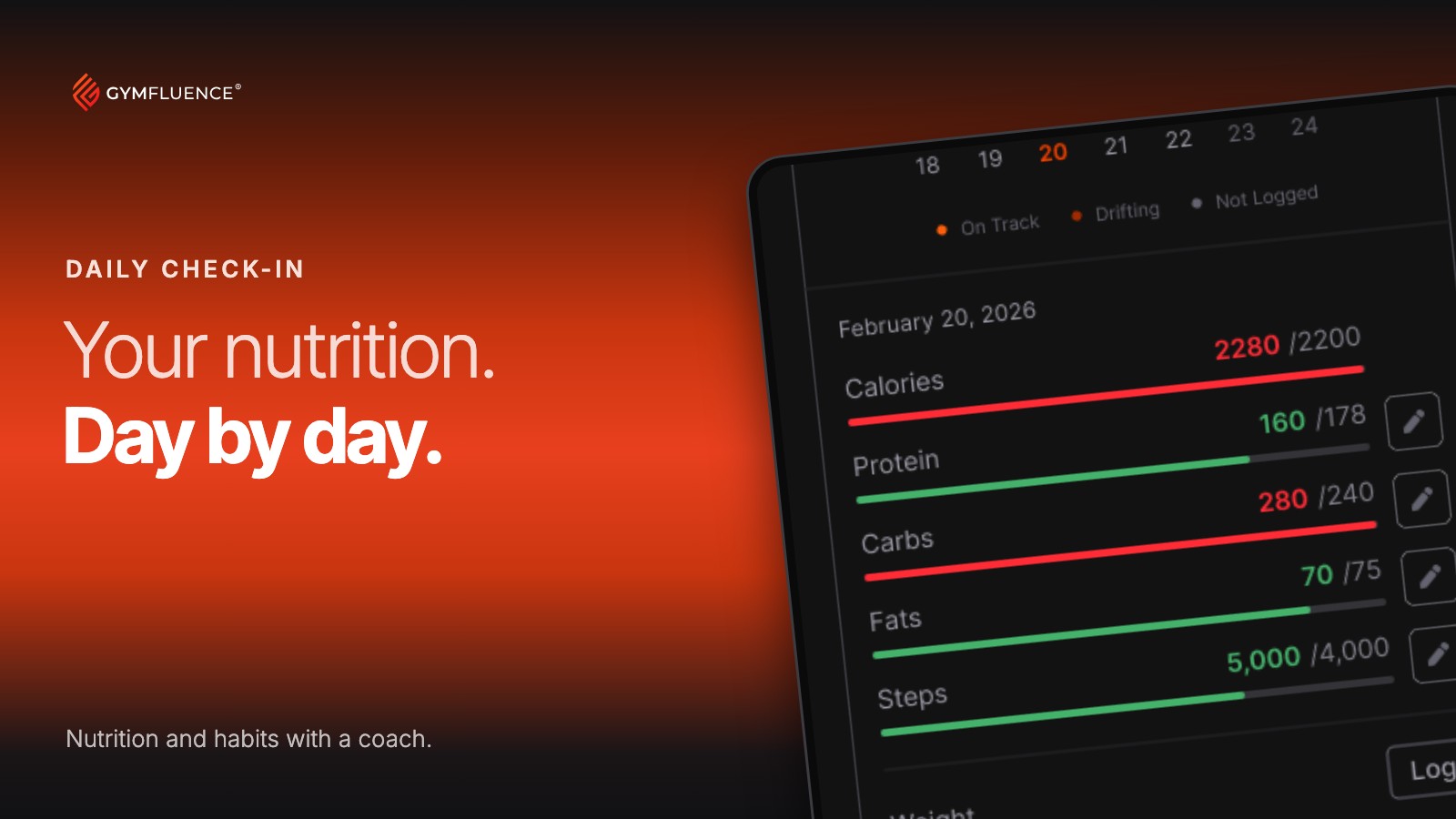
A food log can help start a conversation, but its estimates depend on what you record and cannot diagnose nutrient deficiencies. Concerns about your intake need individual assessment.
Support for everyday meal habits
Gymfluence offers nutrition and lifestyle coaching for people who want to lose weight, from a real, independent coach. Your coach can help with practical commitments, planning and following a nutrition and habit plan in everyday life. Assessing nutritional needs during treatment, deficiencies and illness belongs with healthcare professionals.
Through Gymfluence Verified, we assess the coach's background, competence and quality of support. This is Gymfluence's own quality status, not a professional or healthcare credential.
See how Gymfluence worksSources
The advisory combines evidence review and expert recommendations. It does not establish one protein target or menu for everyone. Meal examples are editorial suggestions and do not demonstrate that an individual's nutritional needs are met.